
Open Government Data Update: parliamentarians and programmers pull in the same direction
(French version here)
After the Federal Council answered three interpellations on Open Government Data in August in positive but non-binding terms, members of the Parliamentary Group for Digital Sustainability are now calling for concrete steps to open up the Confederation’s data holdings. To this end, National Councillors Edith Graf-Litscher (SP) and Kathy Riklin (CVP) and National Councillor Christian Wasserfallen (FDP) have submitted a pioneering motion and two postulates.
At the same time, at the beginning of October, under the title `make.opendata.ch`, 120 software developers, designers and concept developers spent two days working on new apps for more data access in their cities, their cantons and their country – showing in Zurich and Lausanne how high tech, design and democracy can come together productively.
 Openly accessible government data hold a potential for more transparency, innovation and cost savings that has so far remained untapped in Switzerland. That is why Edith Graf-Litscher, in her motion, calls for a central register of all data holdings and for efficient, central access to the Confederation’s publicly available, current and archived data: “Comparable experience in other countries shows that the economic benefit of openly accessible government data only sets in once central access to these data holdings has been set up,” says National Councillor Graf-Litscher in support of her motion. “The legal framework for opening up the Confederation’s data holdings is essentially in place, and the costs of a register and central provision of the data are extremely modest in view of the economic and social potential, so I expect the measures to be implemented swiftly.”
“For the potential of Open Government Data to be exploited sensibly, we need a master plan that plans and coordinates the approach of the individual offices from an overall perspective,” says Kathy Riklin. On the basis of her postulate, Riklin expects the Federal Council to deliver, by mid-2012 at the latest, an analysis of the Confederation’s current and archived data holdings, an assessment of the advantages and risks of openly accessible government data, and a master plan for concrete measures to make effective use of the potential of Open Government Data for Switzerland in the coming years. “Switzerland is poor in natural resources. But the creative use of open data from the authorities, the public sector and research by software developers, journalists and interested citizens is an opportunity that allows us additional social and economic growth under our own steam.”
 For Christian Wasserfallen it is clear that open access to and free use of government data will become key priorities of e-government in the coming years. With his postulate he therefore calls for a corresponding addition to Switzerland’s e-government strategy: “Open government data bring a substantial improvement in the transparency of state action and help to increase the efficiency of the administration. Public services can be better assessed and compared on the basis of openly accessible and machine-readable data. Society as a whole benefits from this.”
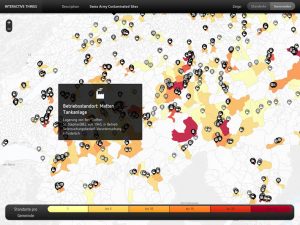
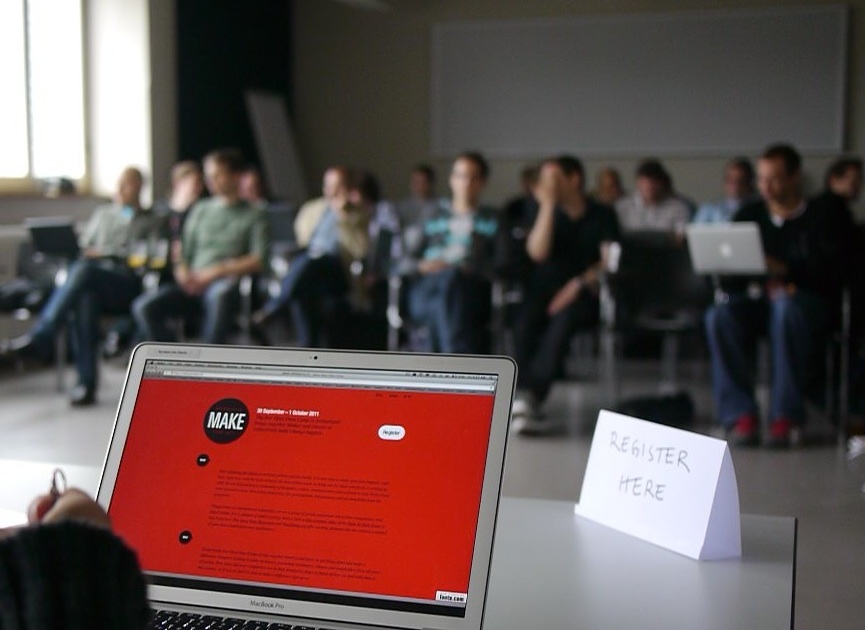
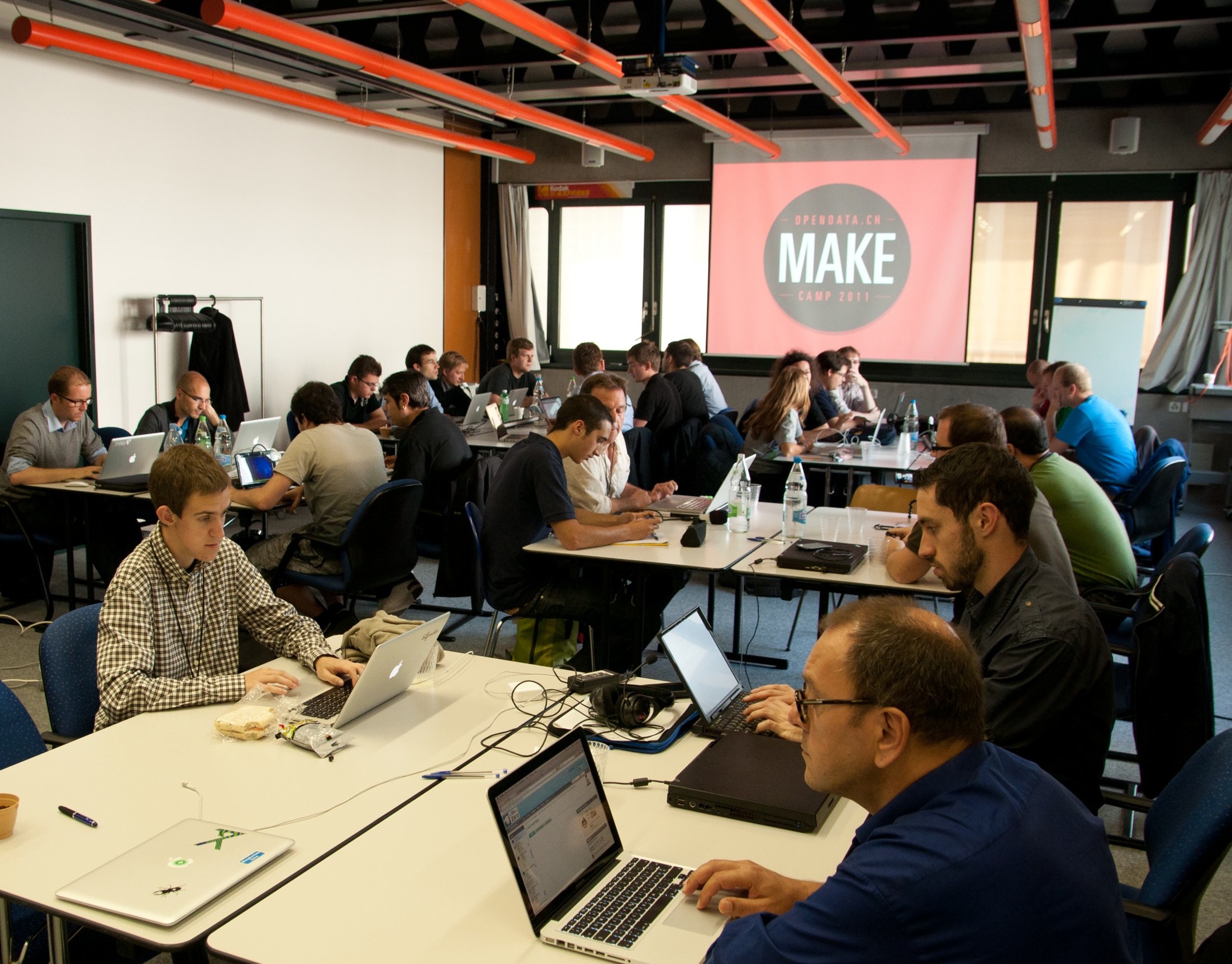 Pulling in the same direction as the parliamentarians is a strong community of software developers, designers and activists who came together on 30 September and 1 October for the first make.opendata.ch Hackdays. Over these two days, 120 committed professionals from the technology and creative sectors worked in Zurich (ZHdK) and Lausanne (EPFL) on visualisations, data analysis tools and data-based citizen services. The results include the visualisation of the Swiss army’s contaminated sites, the breakdown of the City of Zurich’s annual accounts to the contribution of one person, the analysis of Lausanne’s energy consumption data at street level (“Ma rue, est-elle verte?”) and the creation of a data stream of Swiss radiation readings. A clear will and need emerged to use Open Government Data to create, complementary to direct democratic participation, a feedback channel that makes developments in our community tangible, analysable and presentable at every level.
 The cooperation with partners in the administration was successful and was demonstrated, for example, by the
sponsorship from the eZürich initiative of the City of Zurich or the release of data in Lausanne. The civic engagement of the high-tech specialists and information designers gives cause for confidence in the development of a 21st-century democracy with a Swiss character. The topic of “transparency and IT” will not only keep them busy: Open Government Data is, after all, nothing less than the consciously productive flip side of negative phenomena such as bank data CDs, Wikileaks and the like.
Further information is available in the make.opendata.ch wiki, through exchange with the community or by contacting us directly.
Many thanks go to the sponsors eZürich, ZHdK, EPFL, Liip and Swissnex SF.
Reactions: