Hacker portrait
- GLAM
Jonas Schneider
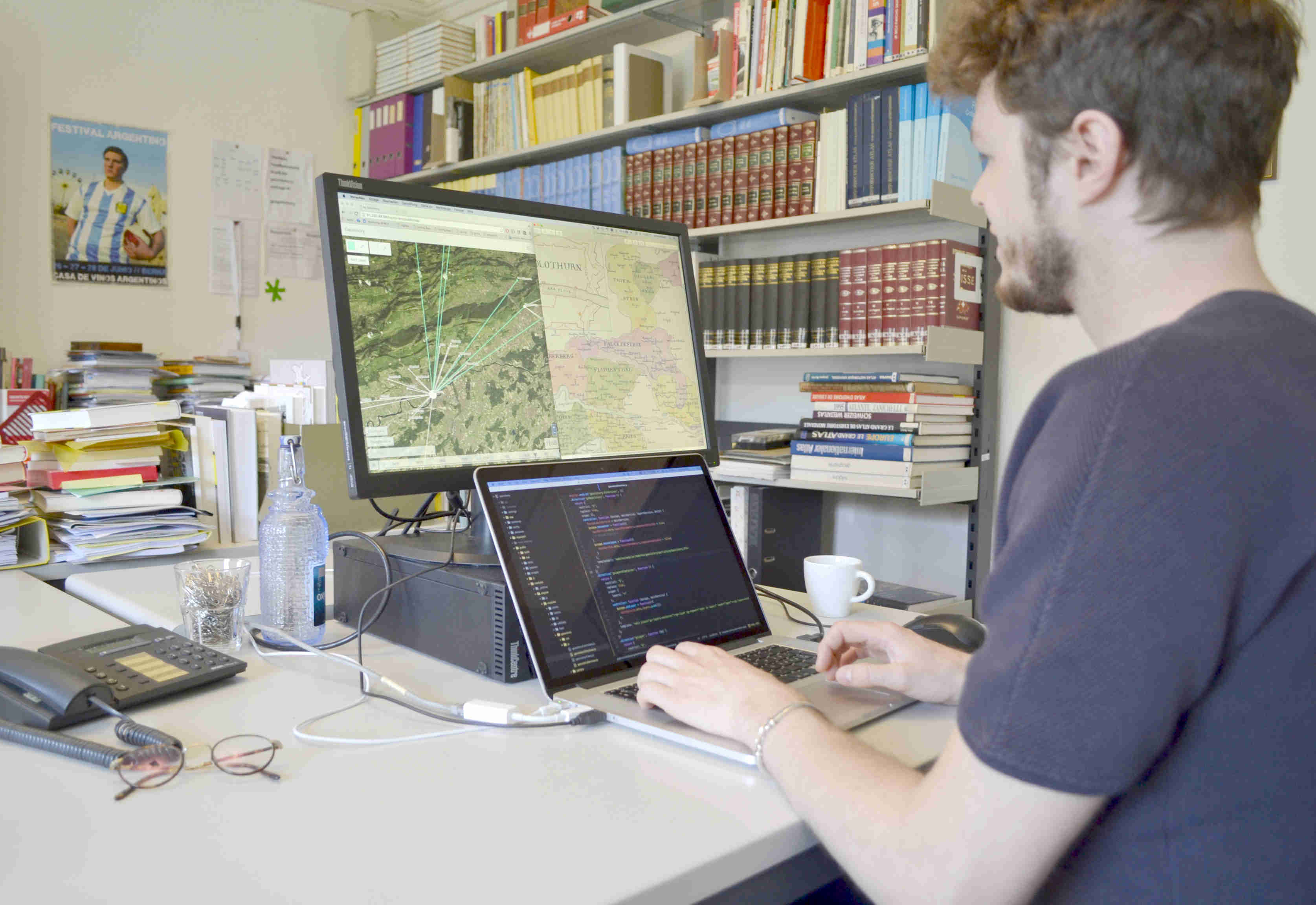
Research associate at the Historical Dictionary of Switzerland. He is currently working on a project called Geovistory – software for visualising historical information in space and time.
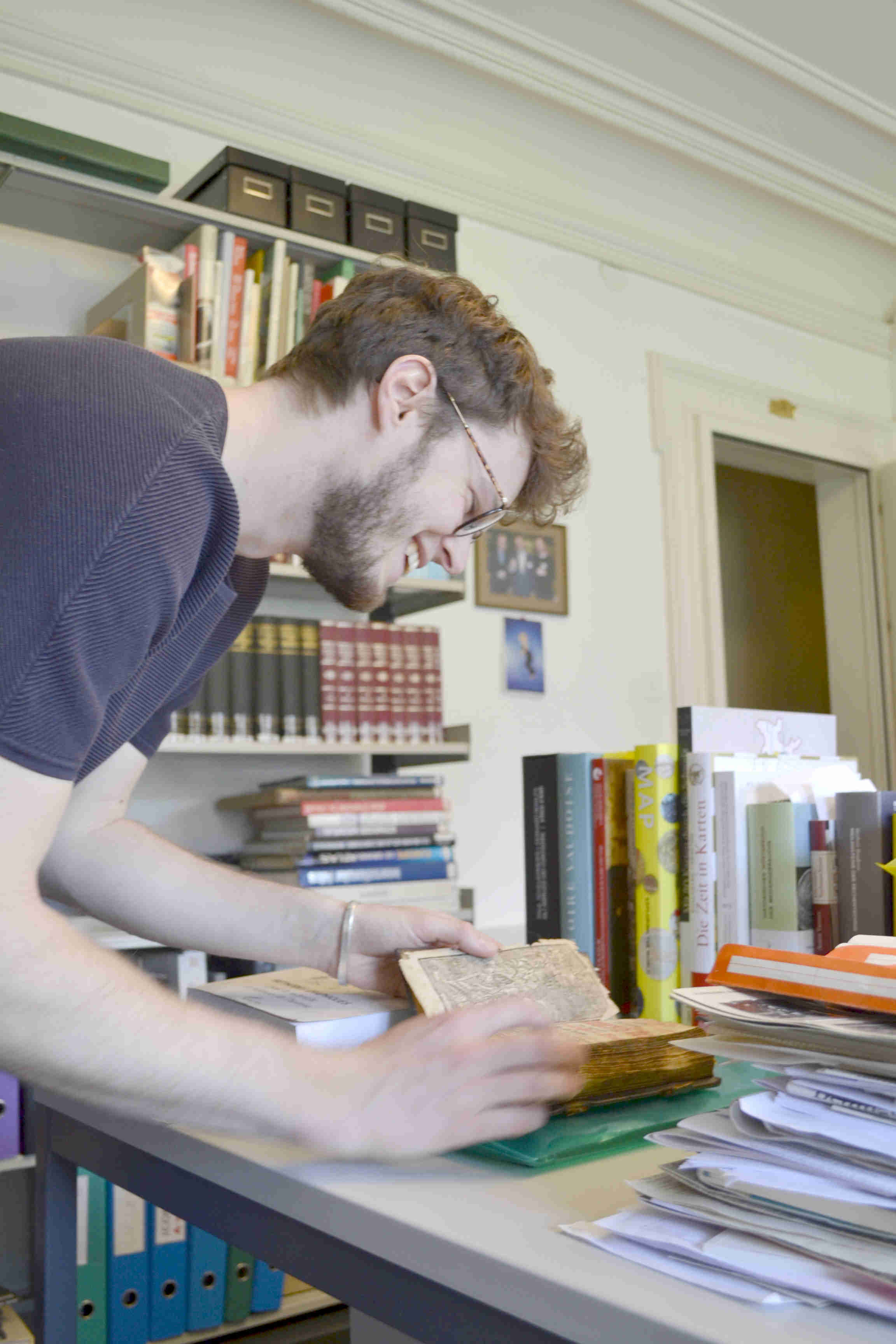
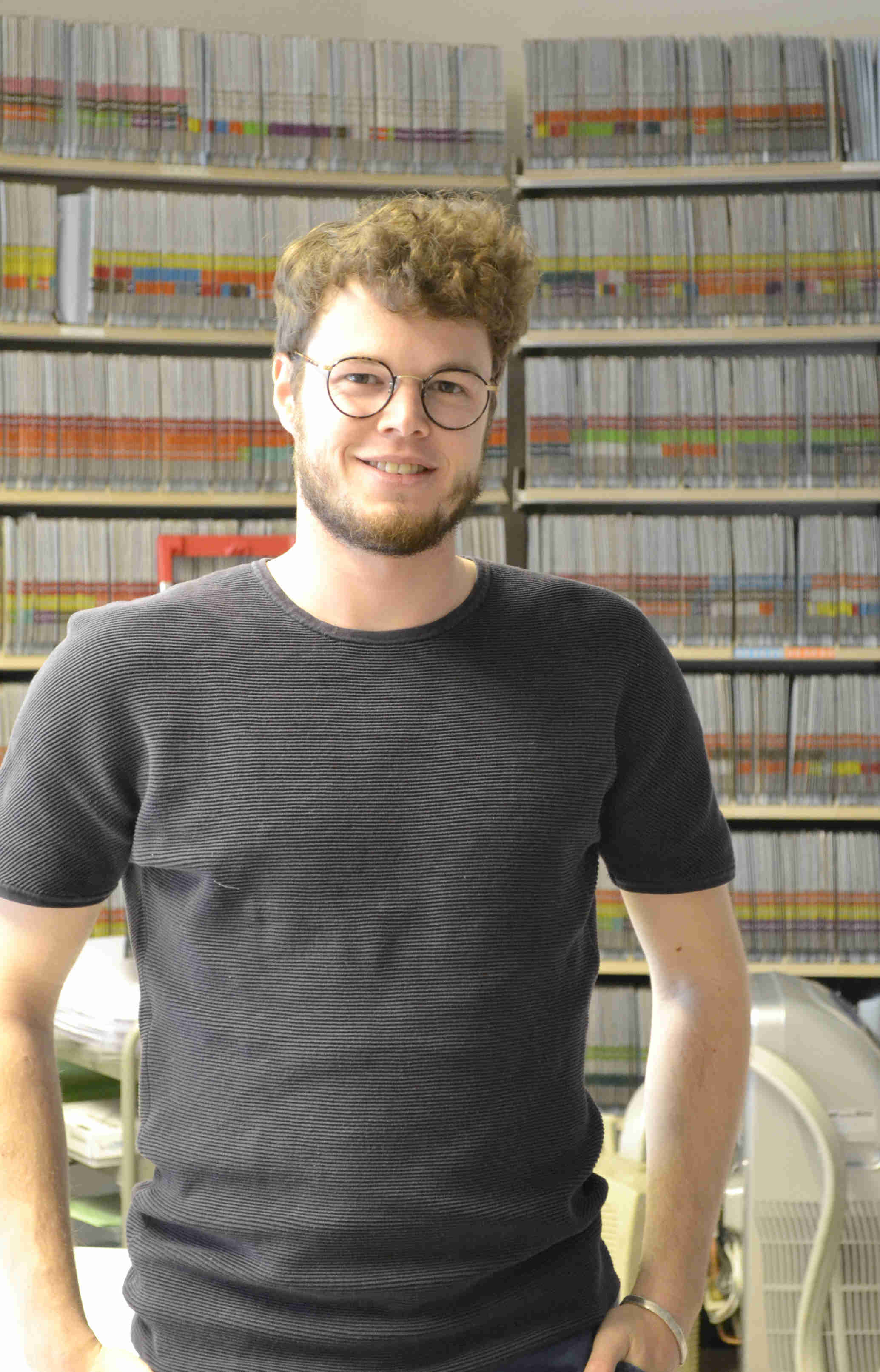 Jonas Schneider describes himself as a “digital humanist”. Even though he thinks the term is used inflationarily, he does not know how better to describe his role. During and especially after his studies, his focus shifted from history and geography towards computer science. He is a visual person. When I ask him about his skills, he wraps them in an image: “You can imagine my abilities in the shape of a T, where the horizontal represents general skills and the vertical specialisations. Among my strengths I count a broad, interdisciplinary horizontal made up of basic knowledge in history, geography and computer science, as well as a constantly growing vertical in web development. In this area I have been able to go particularly deep thanks to my work as a developer of (web) apps” – and Jonas can put these skills to excellent use at the HDS. He is currently working on developing and applying (geo-)informatics methods for researching and communicating historical content.
This makes him not only a stroke of luck for his employer, but also exactly the right person at the culture hackathon in Basel, and certainly an asset to any team.
Jonas, do you already have ideas you would like to realise at the hackathon?
“I have lots of ideas – general and personal ones. For example, there would be a lot of potential in processing, evaluating, analysing or visualising a text corpus. How could more attractive forms of access be developed that help people find their way around a dictionary corpus or analyse it? Or, put less generally – and this brings us to a project idea close to my heart that I would like to tackle with a team at the hackathon – linking datasets from different data providers and developing a small web app with them. Or maybe we can manage something with the HDS texts alone. We’ll see. It would also be very interesting – and in my view feasible – if we tried, for example, to automatically recognise the spatial and temporal information in the HDS articles in order to then visualise the spatio-temporal distribution of the HDS. That way you could see which regions and periods the HDS covers particularly densely and where there may be gaps.
And since I’m already advertising the HDS corpus, here’s a tip for computational linguists: the HDS corpus is trilingual throughout. Every article has been professionally translated and edited. Maybe you’d like to make something out of it?”
Like us organisers, Jonas is keen, besides the concrete work on the data, to get to know lots of interesting people and projects at the hackathon. Networking and exchange are important to him. “And”, Jonas adds, “there are certainly lots of tools or workflows I don’t know yet. I’m looking forward to getting to know those too.”